- Place
- Klaipėda City Municipality
- Region
- Klaipėda
- Type
- ethnic culture, folklore, and education centre
- Address
- Daržų g. 10, Klaipėda
- Coordinates
- 55.70689, 21.13620
Klaipėda City Municipality Ethnoculture Centre, Ethnocentre
Ethnoculture centre in Klaipėda Old Town
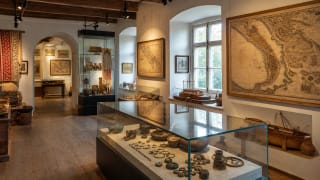
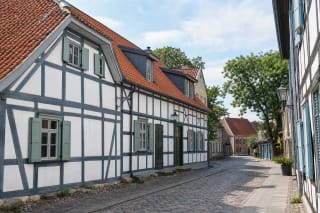
Klaipėda Ethnoculture Centre - a budgetary institution of Klaipėda City Municipality - operates at Daržų g. 10 in the old town of the port city. That matters because living traditional culture here has not been moved into a neutral conference building; it sits within the historic fabric of the city.
The centre's history states that it was founded on April 1, 1991, first operated at Vežėjų g. 4, and moved to its present address at Daržų g. 10 in 2007. Its mission is to nurture Lithuanian ethnic culture in Klaipėda and to spread this region's traditions in Lithuania and abroad.
The Daržų Street warehouse complex
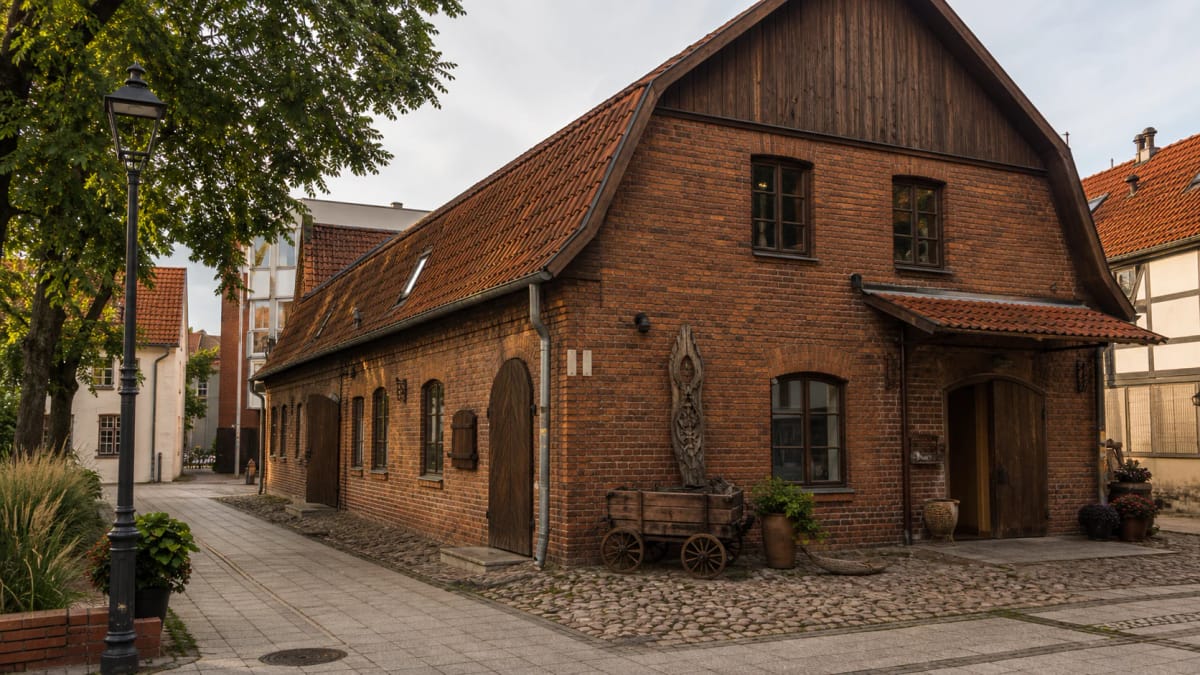
The centre's building is connected with a warehouse complex protected by the Cultural Heritage Register (code 847), dated to the 18th-mid 19th century and listed as an immovable heritage value of regional significance. In the register the complex consists of two warehouses around Daržų and Pasiuntinių streets.
This very setting ties ethnocultural work to an authentic old-port warehouse quarter. For the visitor it means that traditional culture is presented in a heritage building rather than in a neutral modern hall.
Five folklore groups and living traditions
The centre has five permanent children's and adult folklore groups - Alka, Alkiukai, Kuršių ainiai, Kuršiukai, and Senoliai. That means the institution is not merely administrative: rehearsals, concerts, festivals, and educational activities actually happen here.
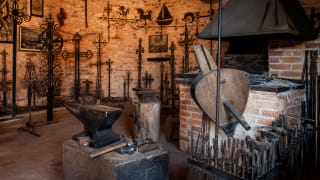
Alongside the folklore groups there are traditional festivals, educational workshops, national-costume consultations, and festivals including Lauksnos and Etnodienos. In this way the centre becomes a living hearth of the city's ethnic culture rather than only an events organiser.
Lithuania Minor and port-city traditions
The centre's work is especially important for learning the traditions of Lithuania Minor, the fifth ethnographic region. It brings back this region's distinctive folklore, customs, and remarkable national costumes.
In a port city often seen through the sea, trade, and urban history, the Ethnocentre returns calendar festivals, songs, stories, dialects, and local community culture to view. It lets you see Klaipėda not only as a harbour but also as the cultural memory of the region.
When it is worth going
The centre is best visited intentionally, according to its events calendar. Calendar-festival programmes, folklore evenings, workshops, or educational sessions offer much more than a short look at the building.
If you are travelling with children or a group, it is worth contacting the centre in advance about educational activities. Ethnoculture centres are often strongest when visitors take part: learning a song, a craft, a game, or the symbolism of a festival.
Hours and tickets
At the time of research, the official contacts page listed working hours as Monday-Thursday 8:00-17:00, Friday 8:00-16:00, with a lunch break from 12:00 to 13:00. Because hours and events can change, check the official centre page before visiting.
Prices for events and educational programmes depend on the specific activity. If you are planning a school, family, or group visit, arrange it with the centre in advance; registration for education programmes is usually done by email.