- Genre
- Field of lake legends
- Source status
- weakly attested in public sources
- Motifs
- long lake, Dubingiai, bridge, castle site, source gap, local memory
Asveja, Dubingiai lake legend field, Asveja legends
The Legend Field of Lake Asveja
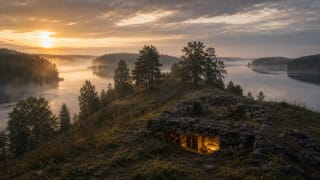
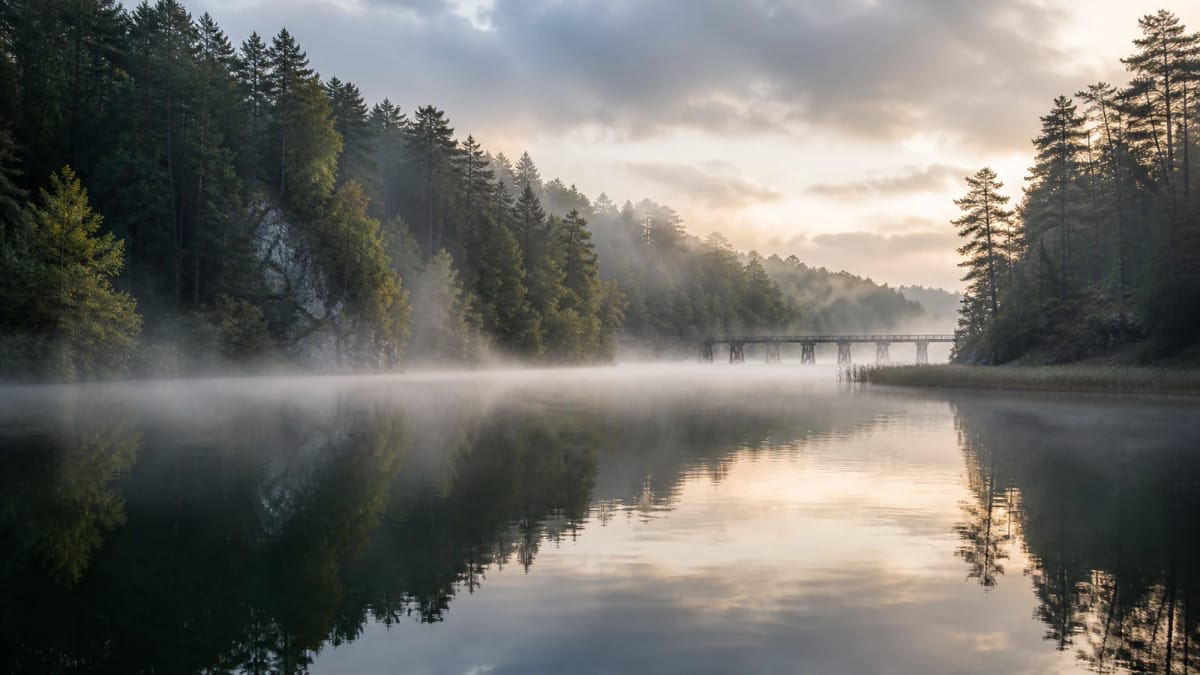
Lake Asveja looks as if it were made for legend: long, narrow, and deep, joining water, an old road, a bridge, and a castle site near Dubingiai. Yet the publicly available source base for one easily verifiable Asveja origin legend is weak.
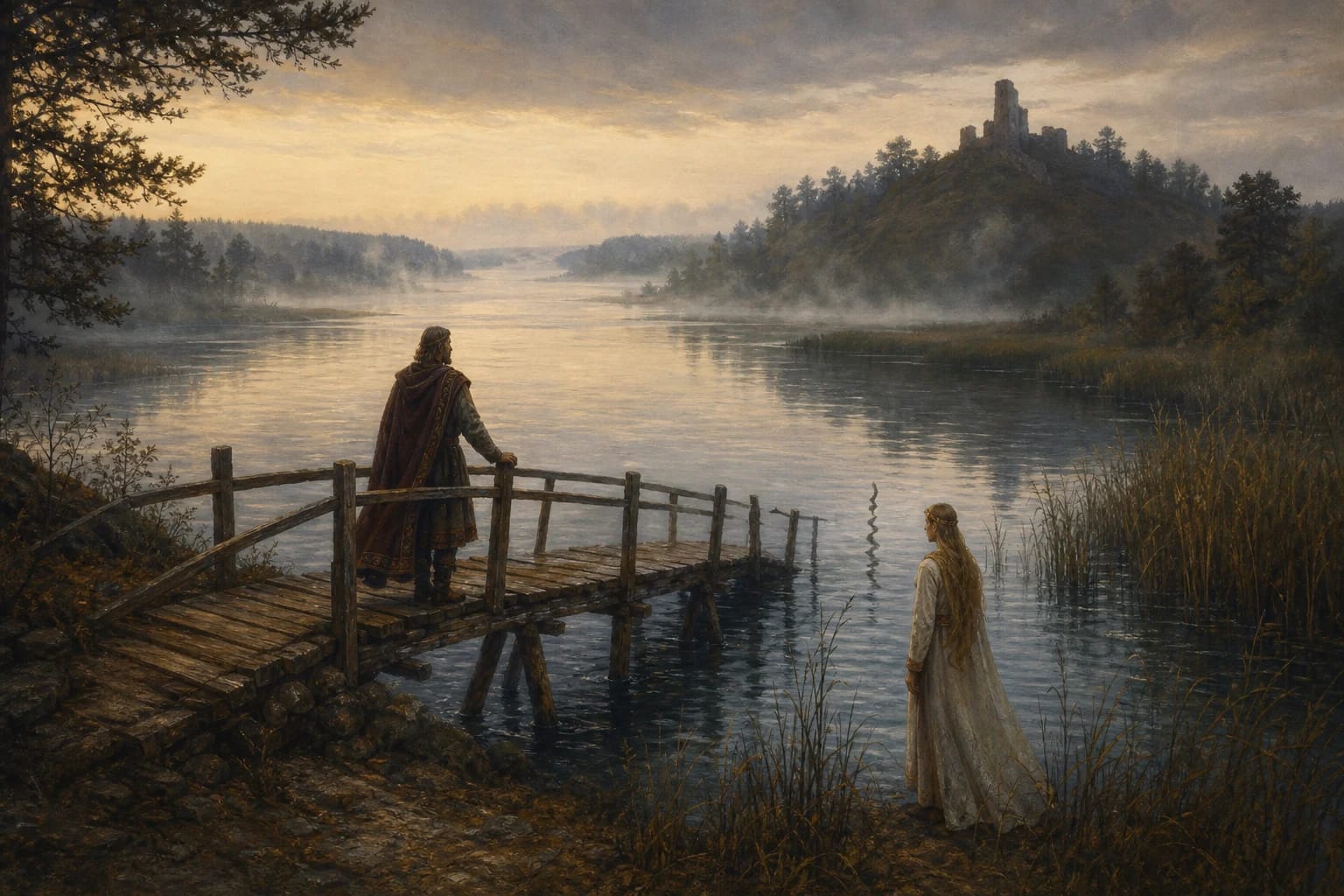
For that reason this page does not pretend to have found a canonical text. It describes the legend field of Asveja: a place where stories could naturally live around the old bridge, the lake's depth, the Dubingiai hill, and the road across water.
This honest framing matters because legends are human memory, but not every attractive story found online has a clear folklore source.
Interpreting the Asveja Lake Legend Field
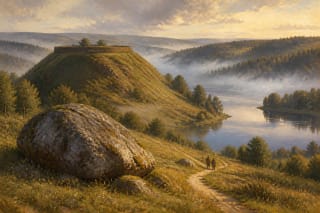
Asveja's strength is not one motif but the structure of the place. The long lake acts as both road and boundary. The Dubingiai castle site gives it a historical center, and the bridge provides the image of passage over water.
If a specific local legend is later confirmed from an archive or local museum, this page should be expanded with its retelling. For now it is better to name the source gap plainly than to invent a false story.
A future Asveja travel page should cover routes, visiting Dubingiai, the bridge, and natural facts. This page gathers the folklore question: how might such a lake have been told?
History of the Asveja Lake Legend Field
In public sources, Asveja is presented as Lithuania's longest lake and an important feature of Asveja Regional Park. Dubingiai and its castle site give the lake a strong historical layer.
The Dubingiai castle site is connected with the history of the Grand Duchy of Lithuania and the Radziwiłł family. That history is not automatically a legend, but it explains why the place has strong storytelling potential.
Search traces in the Folklore Manuscript Archive suggest a possible archival direction. Even so, a public page needs to distinguish a confirmed text from material that is still being sought.
Asveja, also called Lake Dubingiai, is the longest lake in Lithuania: about 30 km including its bays. In genre terms, stories about the origins of lakes belong to place legends. Lithuanian place legends were collected in Žemės atmintis: Lietuvių liaudies padavimai (1999) and classified in Bronislava Kerbelytė's catalogue, volume 3 (2002).
How to Read Weakly Attested Legends
On a folklore site, it is sometimes worth having a page about a source gap. That is not a weakness; it is editorial honesty.
In Asveja's case, such a page helps avoid confusing travel content with folklore in the future: when a reliable legend text appears, it will have a clear place.