- Type
- God
- Domain
- Pigs, domestic animals, farmstead
- Source status
- attested in late sources
Who is Kremata?
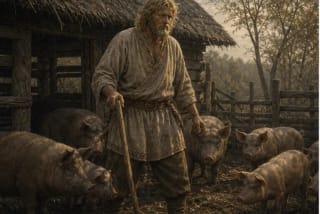
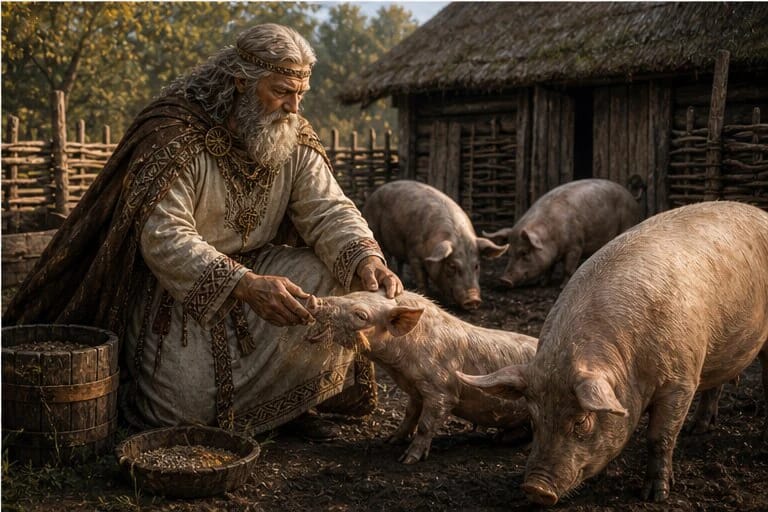
Kremata is a deity known from Jan Łasicki's list of Samogitian gods, around 1582, connected with pigs and the protection of domestic animals. Kremata belongs not to the high gods but to the layer of guardians of the peasant farm.
Kremata is one of many small deities in Łasicki's list that protect a concrete area of farming life. The deity's sphere is the health and success of domestic animals, especially pigs, in the barn.
Livestock protection in the peasant farm
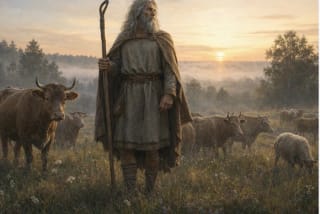
Domestic animals, pigs, cows, and sheep, were a peasant's wealth and basis of subsistence, and their illness or death meant serious misfortune. The health of livestock could therefore have its own divine guardian.
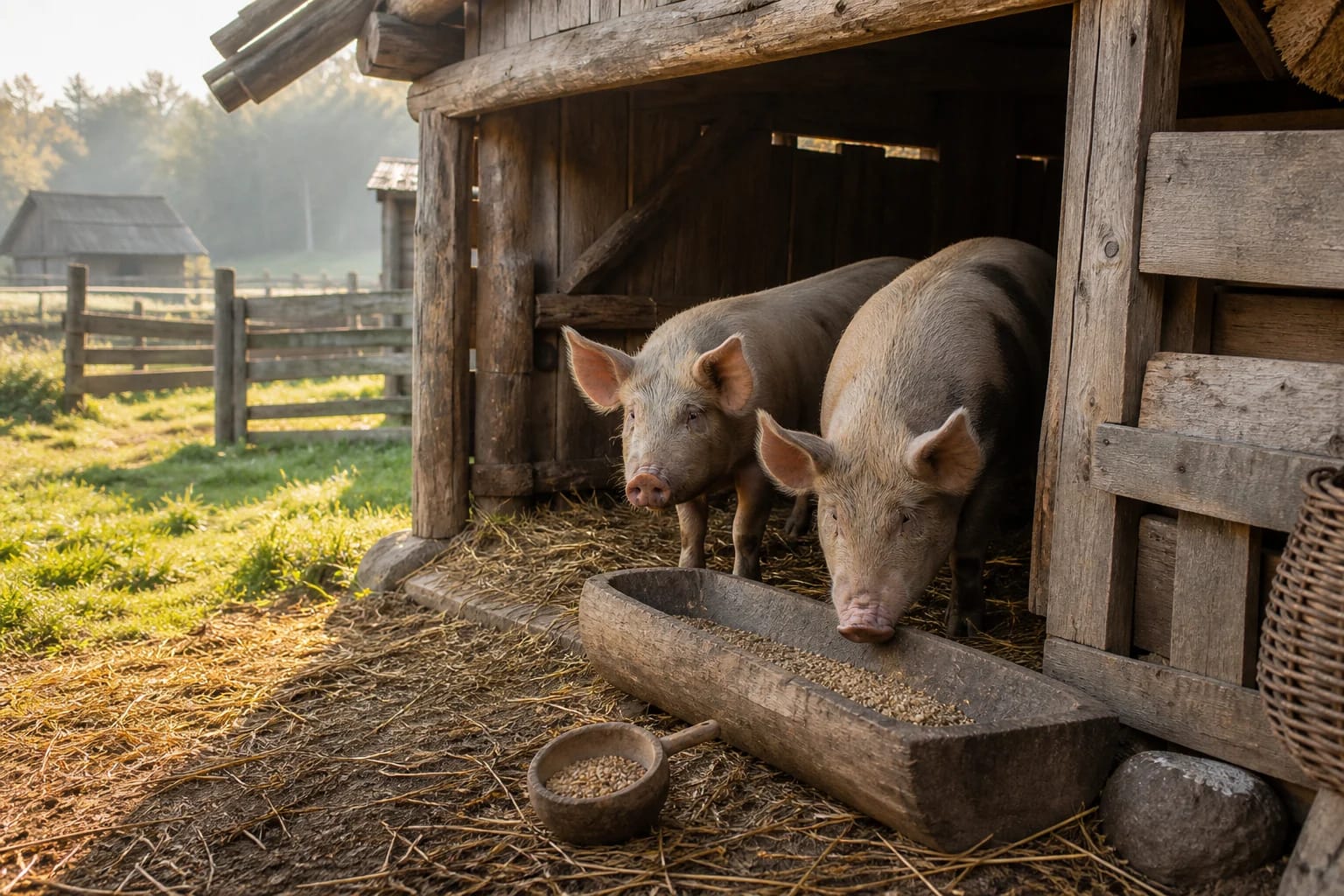
Kremata embodies this need. The deity's protection was requested so that animals would breed, grow healthy, and not die from disease. This is a very practical role tied to everyday farm concerns.
Kremata and Krukis: many names in one field
In Łasicki's list, more than one deity is connected with pigs and domestic animals: Krukis is mentioned alongside Kremata. The fact that several similar deities protect the same narrow field raises doubts.
This kind of duplication is one of the main reasons why the reliability of Łasicki's list is disputed. Some researchers think that some names may have been epithets, local terms, or recording errors rather than separate gods.
How should Kremata be read?
Kremata, like other deities in Łasicki's list, must be presented cautiously. Some researchers, including Mannhardt, considered Łasicki's work an important source for Samogitian mythology, while others, including Brückner and Mierzyński, saw it as nearly or completely unreliable.
Kremata should therefore be presented as a name with an assigned field, protection of pigs and livestock, but with a clear qualification about certainty. The fairest approach is to show what the source says without hiding that it is disputed.
Kremata today
Kremata helps explain how finely late lists of gods divided farm concerns, and why such lists need critical reading. The deity is a useful example of separating attested material from doubtful material in mythology.
Kremata is best read together with Krukis, Ganiklis, and Sutvaras. All belong to the field of livestock guardians, whose boundaries are blurred and where some names are doubtful.