- Genre
- Mythological sakme
- Source status
- folkloric
- Motifs
- night horse pasturing, black pole, glittering edges, knife, alder treetops
The sakme
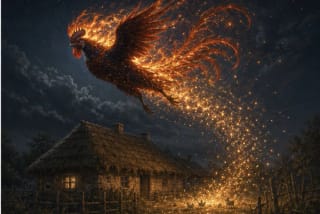
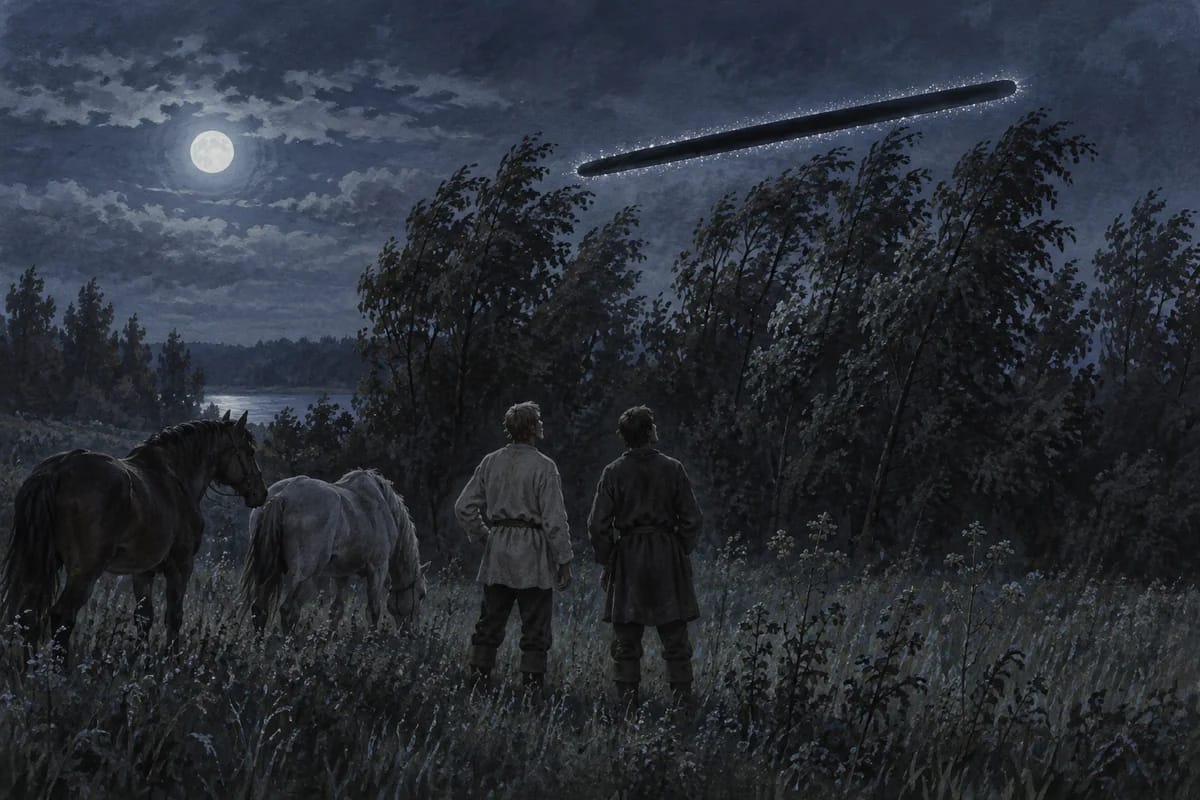
The narrator remembered riding out to pasture horses at night as a young man. He and the others saw lights stretching away across the sky and called them an aitvaras. At first they were not afraid.
Once they saw something approaching like a black pole, with only its edges glittering. They jumped from their horses and decided to catch it. One man drove a knife into the ground between his toes.
The aitvaras descended onto the alder treetops, making them sway. Now the men were afraid: the aitvaras was not theirs. They agreed to let it go.
Interpretation: what does the caught Aitvaras mean?
The mood changes when the being descends. A distant sight was not frightening, but the close encounter makes the men abandon their catch.
The narrator’s explanation matters: the aitvaras was not theirs. The release follows that sense of another’s possession, not any unmentioned promise of wealth.
The source variant
Vaikams.lt: „Sugautas aitvaras“, complete legend text. An editorial retelling of the specific cited variant, checked against its complete source narrative. This is not a literal transcript.